2026-2027 Trends in Lockout/Tagout: What Safety Professionals Need to Know Now
- Share
- Issue Time
- Sep 29,2026
Summary
Safety lockout, or Lockout/Tagout (LOTO), is a critical safety procedure used in industrial and electrical settings to ensure that dangerous machines are properly shut off and cannot be restarted before maintenance or repair work is finished.

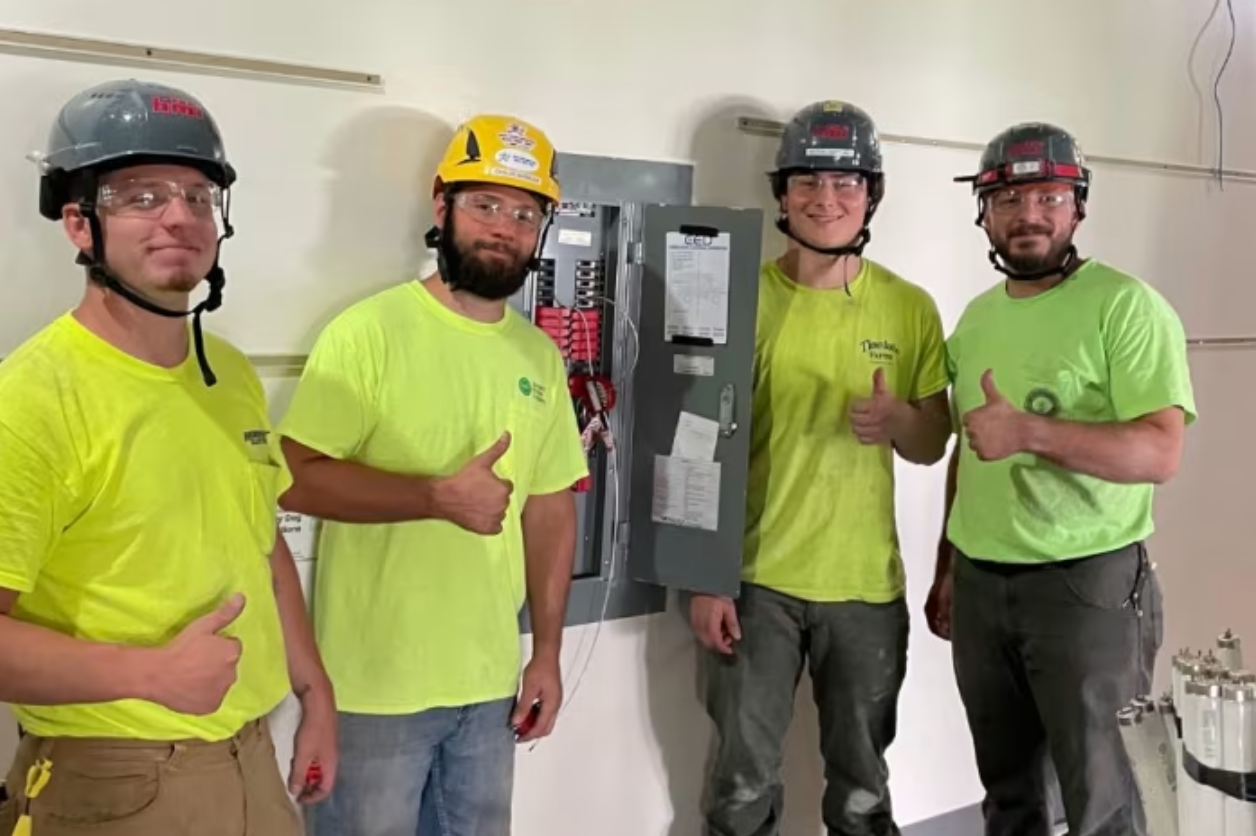
The short answer: Lockout/Tagout is undergoing its biggest transformation in nearly four decades. OSHA is preparing to modernize its 1989 standard, new international standards are taking effect, and digital technologies are reshaping how LOTO procedures are created, executed, and audited.
If your organization still relies on paper-based lockout procedures and assumes the regulatory landscape hasn't changed since the last training cycle, 2026-2027 will be a wake-up call. Here are the trends that will define LOTO compliance and best practices over the next two years.
Trend 1: OSHA Finally Moves to Modernize 1910.147
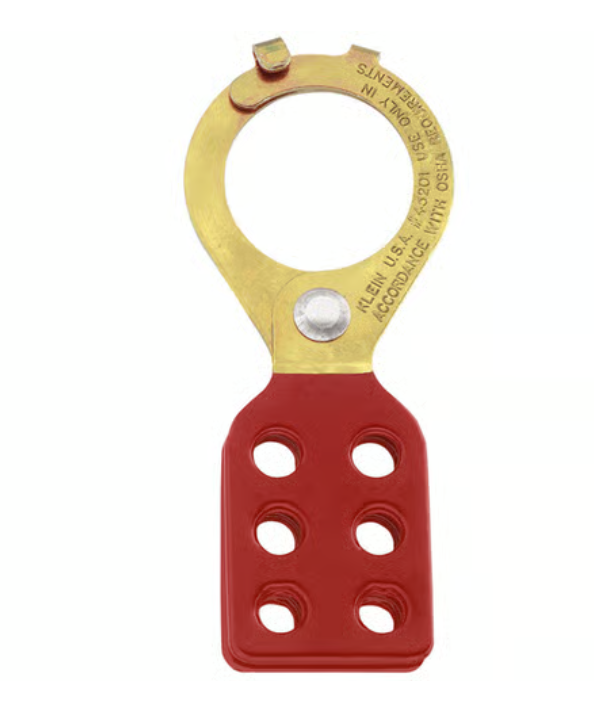
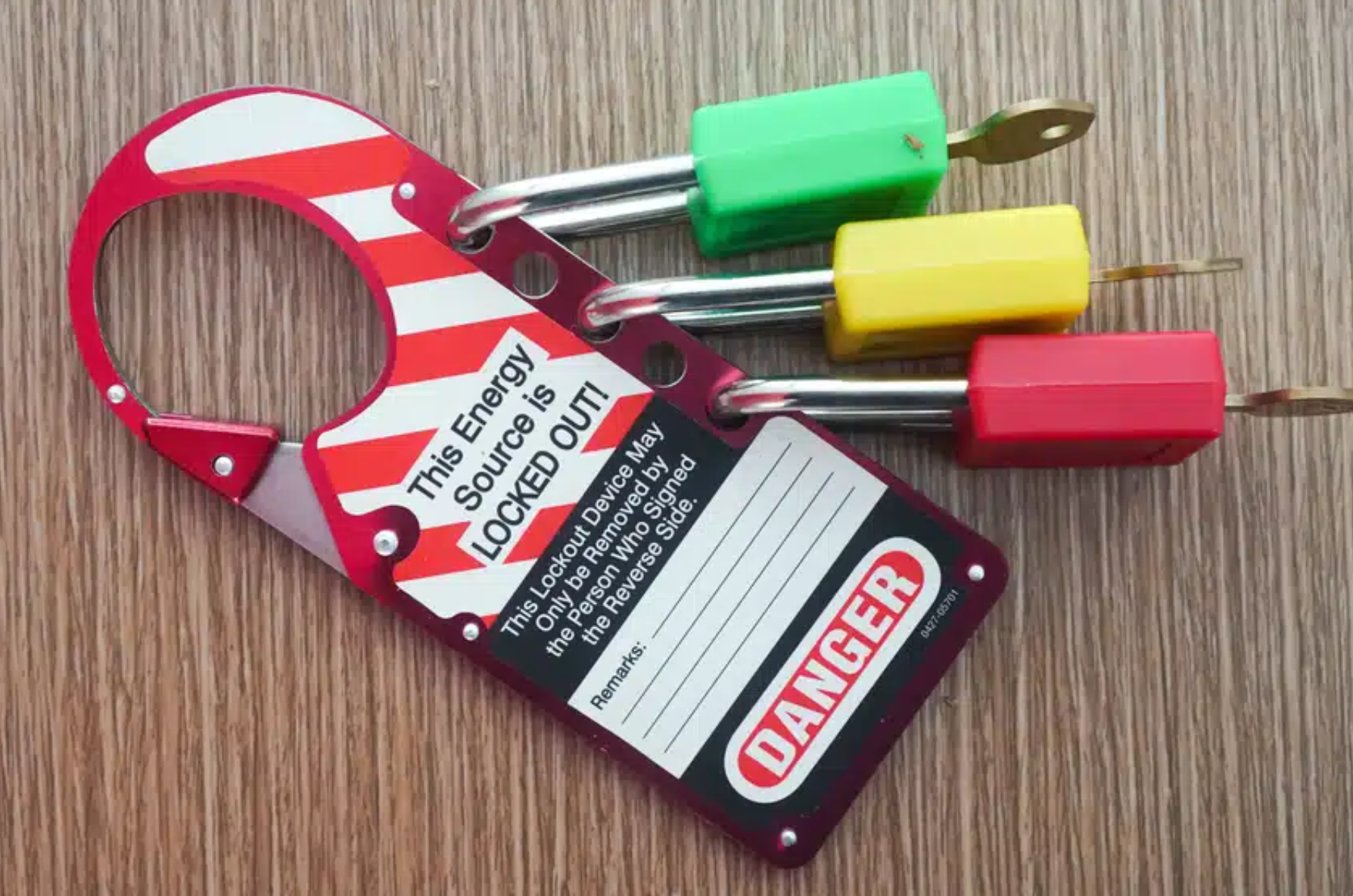
The most significant development in LOTO regulation is one that's been decades in the making. OSHA has announced plans to publish a proposed rule updating its Lockout/Tagout standard (29 CFR 1910.147) by November 2026.
The current standard was written in 1989, in an era dominated by physical disconnects, breakers, and manual switches. The rule explicitly excludes push buttons, selector switches, and other control-circuit-type devices from qualifying as energy-isolating devices .
But manufacturing has changed. Modern facilities rely on programmable logic controllers, safety-rated automation systems, robotics, interlocks, laser scanners, and presence-sensing technologies that can detect workers and stop hazardous motion within fractions of a second .
OSHA acknowledges that these technological advances "may have resulted in safety improvements to control-circuit-type devices," and that modernizing the standard could improve both safety effectiveness and operational efficiency .
What this means for you: The rulemaking process is just beginning. A proposed rule in late 2026 means a final rule is unlikely before 2027 or beyond. But the direction is clear: OSHA is moving toward recognizing alternative hazardous energy control methods that don't rely solely on mechanical lockout.
The American Society of Safety Professionals (ASSP) has already updated its consensus standard, ANSI/ASSP Z244.1, to formally recognize alternative methods and elevate them to "coequal" status with traditional lockout . Expect OSHA's proposal to draw heavily from this framework.
Trend 2: European Standard DIN EN 17975 Takes Effect
While the U.S. regulatory process moves slowly, Europe has already acted. As of June 16, 2026, DIN EN 17975 brings uniform LOTO rules across Europe, establishing binding requirements for how hazardous energy must be controlled before maintenance and servicing.
For multinational organizations with operations on both sides of the Atlantic, this creates an interesting dynamic: European operations will be governed by a newer, more explicit standard, while U.S. facilities await OSHA's update. Companies with global safety programs should expect pressure to harmonize procedures upward.
What this means for you: If you operate in Europe, compliance with DIN EN 17975 is now mandatory. If you're a U.S.-based company with European operations, your global LOTO program may need to meet a higher standard abroad than what OSHA currently requires domestically.

Trend 3: Digital LOTO Goes Mainstream
The days of paper-based lockout procedures and manual logbooks are numbered. A wave of digital LOTO solutions is entering the market, and adoption is accelerating.
Glartek, an AI-native EHSQ software provider, announced a major update to its Digital LOTO solution in May 2026, integrating lockout processes with permit-to-work systems, providing QR code and NFC-enabled workflows, and offering real-time visibility into all active lockouts across multiple facilities.
The platform also includes AI capabilities that turn operational data into insights, helping teams spot potential risks early and improve handoffs between shifts .
This isn't just about efficiency. The National Safety Council's Work to Zero Safety Innovation Challenge has selected ten solution providers focused on hazardous energy risks, including connected smart locks, wearable alert systems, AI-powered camera monitoring, and platforms that verify zero-energy states through real-time equipment data.
Master Lock's LOTO™ platform, for example, digitizes lockout/tagout procedures with guided workflows, real-time monitoring, and automated compliance documentation.
What this means for you: Digital LOTO is no longer a niche offering. The question is shifting from "should we digitize?" to "which platform fits our operations?" Key capabilities to evaluate include offline functionality, integration with existing permit-to-work systems, audit-ready record-keeping, and support for multi-site visibility.
Trend 4: AI Enters the LOTO Workflow
Artificial intelligence is moving from buzzword to practical tool in LOTO management. The PERKS project, a European research initiative, has demonstrated AI-supported creation and maintenance of LOTO procedures, step-by-step procedural guidance on the shop floor, and execution tracking that strengthens auditability.
In this use case with Beko Europe, AI helps engineers structure and update safety-critical procedural knowledge more efficiently, while operators access the right procedure directly where it's needed.
The IOSH conference at Intersec Dubai in 2026 highlighted AI as a key theme, with the caveat that "AI is a tool, not a replacement for safety culture" and that it "only works alongside good data and a strong safety culture".
What this means for you: AI won't replace the fundamental need for hazard assessment, training, and a culture where workers follow procedures. But AI can reduce the administrative burden of creating equipment-specific LOTO procedures, help ensure the right procedure is accessed at the right time, and surface patterns in lockout data that humans might miss.


Trend 5: NFPA 70E 2027 Reshapes Electrical LOTO
The 2027 edition of NFPA 70E, which took effect on May 6, 2026, brings several changes that directly affect lockout/tagout programs for electrical work.
Among the most significant changes: lockout and tagout audits are now split into separate program and procedure intervals, and employers are directed to an informative annex for assessing condition of maintenance . The edition also adds a requirement for an additional trained person during energized electrical work tied to the work permit.
For facilities with redundant power systems—data centers, hospitals, critical infrastructure—the 2027 edition reinforces a critical point: a lockout that assumes single-source isolation in a facility with A and B feed redundancy has not actually achieved an electrically safe work condition, even if every visible indicator suggests it has.
What this means for you: If your LOTO program treats lockout and tagout audits as a single exercise, you'll need to restructure. If you operate redundant power systems, verify that your isolation procedures account for cross-ties, automatic transfer switches, and shared buses that could re-energize isolated equipment.
Trend 6: The Market Responds to Regulatory Pressure
The global Lockout Tagout Equipment market is expected to reach $424 million by 2032, growing at a 5.3% CAGR during the forecast period . Major players include Master Lock, Brady, Panduit, ABUS, and Honeywell, with the top three accounting for over 60% of revenue in recent years.
This growth reflects both regulatory pressure and a broader recognition that effective LOTO is a business imperative, not just a compliance obligation. OSHA's LOTO standard was the fourth most frequently cited standard during fiscal year 2025, and proponents believe an update would help reduce the number of workers at risk.
What this means for you: The market is responding with more choices—from traditional mechanical lockout devices to connected smart locks and integrated digital platforms. Budget planning for LOTO should account for both equipment refresh and technology adoption.
The Bottom Line
The organizations that will be best positioned are those that treat these trends as an opportunity to strengthen their programs—not just as compliance exercises to be survived. The fundamentals haven't changed: hazardous energy must be controlled, workers must be protected, and procedures must be followed. But the tools, standards, and expectations around how that happens are evolving rapidly.
Safety regulation moves slowly—until it doesn't. The time to prepare for 2027 is now.

Lita Lock, a China based manufacturer, since 2017, active in manufacturing safety padlocks, electrical lockout, valve lockout, lockout station, tags and other lockout & tagout for global partners.
To help customers compliance with OSHA Standard 29 CFR 1910.147, Lita Lock does not only offer design, production and final assembly, but also a complete lockout & tagout solution for various industries.
Lita Lock pursues the competitiveness on creative, quality control, technology and sustainable development. As the founder of Lita Lock, Iris Chen says: “Many things have changed, but one thing that has not—our original intention to start businesses: keeping workers safe.” Together, we make work environments safer.
Sales Manager: Iris Chen
Email: iris@litalock.com
Whatsapp: + 86 195 1976 7209
#safetylockout #OSHAstandard29CFR1910.147 #industriallockoutdevices #lockouttagout #LOTO #safetypadlocks #Lockout #lockouted #totallockout #bradyloto #masterlock #litalock